Jika fasilitas Anda beroperasi di Uni Eropa, Anda memerlukan ATEX — ini adalah undang-undang, bukan rekomendasi. Jika Anda mengekspor peralatan secara global atau beroperasi di beberapa benua, IECEx adalah pilihan yang lebih cerdas karena diakui di 70+ negara. Sebagian besar produsen peralatan area berbahaya kini memberikan sertifikasi untuk keduanya, dan pada tahun 2026 kesenjangan antara kedua skema tersebut telah menyempit hingga ke titik di mana sertifikasi ganda mungkin menambah biaya sebesar 10–15% namun membuka peluang bagi seluruh pasar dunia.
Jawaban Singkat: Tergantung Tempat Anda Beroperasi (dan Menjual)
ATEX adalah hukum Eropa. IECEx adalah skema sertifikasi global. Itu cara paling bersih untuk memikirkannya.
ATEX berasal dari dua arahan UE — 2014/34/EU untuk produsen peralatan dan 1999/92/EC untuk operator tempat kerja. Jika Anda menempatkan peralatan tahan ledakan di pasar UE, atau jika Anda menjalankan pabrik dengan area Zona 0/1/2 atau Zona 20/21/22 di dalam UE, kepatuhan ATEX bukanlah suatu pilihan. Lewati saja dan Anda akan menghadapi denda, penutupan, dan kemungkinan tanggung jawab pidana setelah suatu insiden.
Sebaliknya, IECEx bersifat sukarela. Sertifikat ini dikelola oleh Komisi Elektroteknik Internasional dan memberikan satu sertifikat yang diterima di seluruh negara peserta — termasuk Australia, Singapura, UEA, Brasil, Afrika Selatan, dan banyak lainnya. Sistem ini tidak menggantikan undang-undang setempat di mana pun (AS masih menjalankan sistem NEC/HazLoc miliknya sendiri), namun sistem ini secara signifikan mengurangi dokumen saat Anda menjual ke beberapa pasar.
Jadi pertanyaan sebenarnya bukanlah “mana yang lebih baik?” Pertanyaannya adalah “di mana peralatan saya harus diterima secara hukum?”
Apa yang Sebenarnya Dicakup ATEX (dan Dimana Orang Melakukan Kesalahan)
Kesalahan ATEX yang paling umum? Memperlakukannya sebagai standar peralatan saja. Tidak.
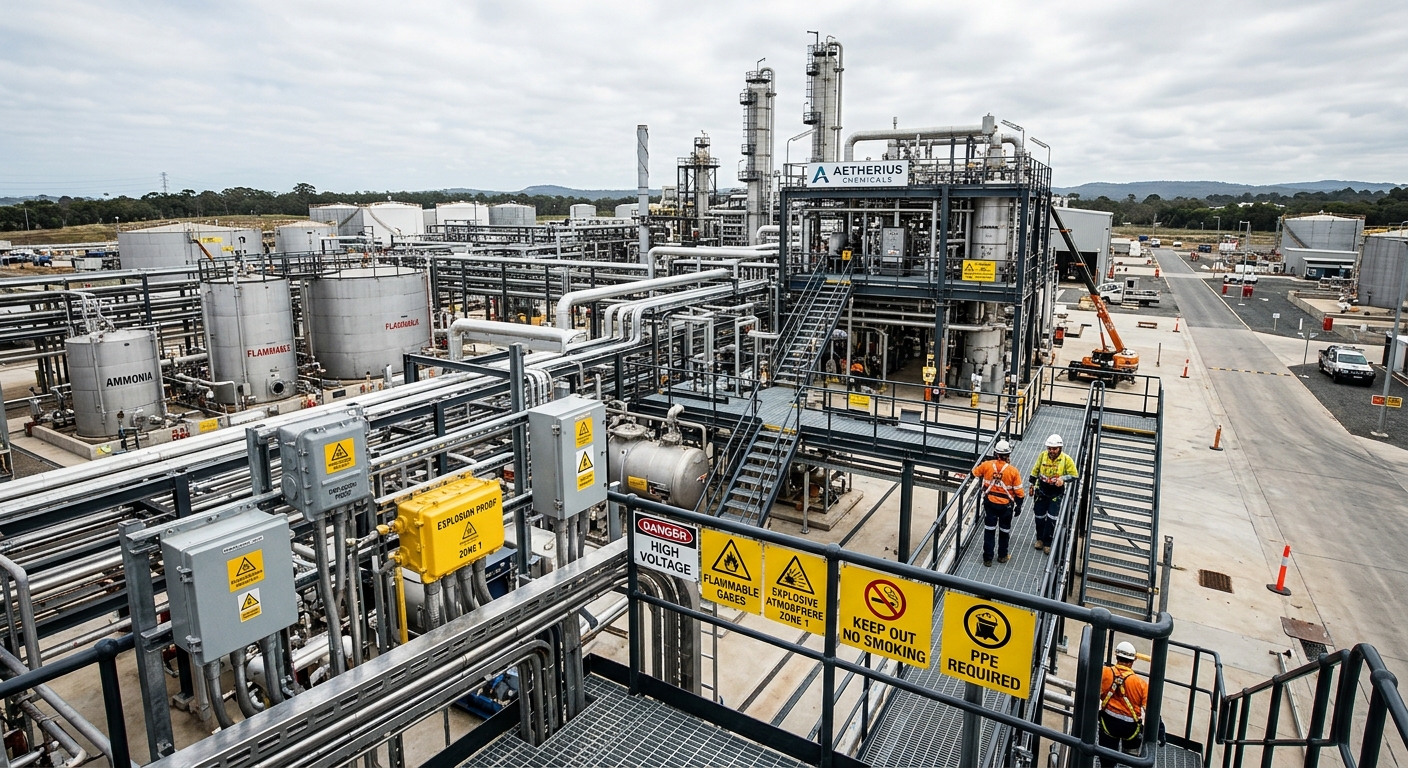
ATEX memiliki dua sisi. Petunjuk peralatan (2014/34/EU) berlaku bagi produsen — peraturan ini mengatur bagaimana produk seperti motor, pengumpul debu, panel ventilasi, dan panel kontrol dirancang, diuji, dan ditandai sebelum memasuki pasar UE. Peralatan mendapat kategori (1, 2, atau 3) yang disesuaikan dengan zona (0/1/2 untuk gas, 21/20/22 untuk debu).
Petunjuk tempat kerja (1999/92/EC) berlaku untuk operator. Meskipun setiap peralatan di pabrik Anda bersertifikasi ATEX, Anda tetap memerlukan Dokumen Perlindungan Ledakan (EPD) tertulis, gambar klasifikasi zona, penilaian risiko, dan pelatihan pekerja. Auditor memeriksa keduanya.
Misalnya, sebuah pabrik tepung di Polandia mungkin membeli receiver filter Kategori 2D yang bersertifikat sempurna, namun jika mereka tidak dapat menghasilkan EPD yang menunjukkan bagaimana sumber api dikendalikan di seluruh wilayah Zona 21, maka mereka tetap tidak patuh. Di sinilah perencanaan pencegahan ledakan debu menjadi sama pentingnya dengan perangkat keras itu sendiri.
Apa yang Dihadirkan IECEx
IECEx diciptakan untuk menghilangkan sakit kepala “sertifikasi sekali per negara”. Dan sebagian besar berhasil.
Berdasarkan Skema Sertifikasi Peralatan IECEx, produk yang diuji oleh Badan Sertifikasi terakreditasi (ExCB) di satu negara diterima oleh regulator di setiap negara anggota lainnya — tidak ada pengujian ulang. Skema ini juga mencakup fasilitas layanan (bengkel) dan kompetensi personel, yang tidak ditangani secara resmi oleh ATEX.
Tiga hal yang dilakukan IECEx namun tidak dilakukan ATEX:
- Sertifikasi personel (CoPC) — individual technicians can be certified as competent to install, inspect, or repair Ex equipment.
- Sertifikasi fasilitas layanan — repair shops are audited, so a rebuilt Ex motor still carries a traceable certificate.
- Mobilitas global — a certificate issued in Germany is accepted in Australia without re-testing.
Bagi operator multinasional – misalnya, grup semen yang memiliki pabrik di UEA, Indonesia, dan Chili – IECEx adalah pilihan yang tepat untuk melakukan standarisasi suku cadang dan pelatihan di seluruh lokasi.
ATEX vs IECEx: Perbandingan Berdampingan
Berikut rincian praktis yang sebenarnya digunakan para insinyur saat menentukan peralatan:
| Kriteria | ATEX | IECEx |
|---|---|---|
| Status hukum | Arahan wajib UE | Skema global sukarela |
| Ruang lingkup geografis | Negara-negara UE + EEA | 70+ negara di seluruh dunia |
| Badan pengatur | Komisi Eropa | IEC (Internasional) |
| Penandaan sertifikasi | Tanda bekas + CE | Sertifikat Kesesuaian IECEx |
| Waktu tunggu yang khas | 8–16 minggu | 10–20 minggu |
| Terbaik untuk | Menjual ke Eropa | Ekspor multi-negara |
| Mencakup tempat kerja? | ✓ (Petunjuk 1999/92/EC) | ✗ (hanya peralatan) |
| Saling pengakuan | Hanya di dalam UE | Di seluruh negara anggota |
Persyaratan teknisnya — standar seri IEC 60079 yang mendasarinya — sekarang pada dasarnya sama. Perbedaannya terletak pada prosedur sertifikasi, dokumentasi, dan bobot hukum.
Standar Teknis di Bawah Kedua Skema
Inilah rahasia yang mengejutkan sebagian besar pembeli pertama kali: ATEX dan IECEx menguji standar teknis yang sama.
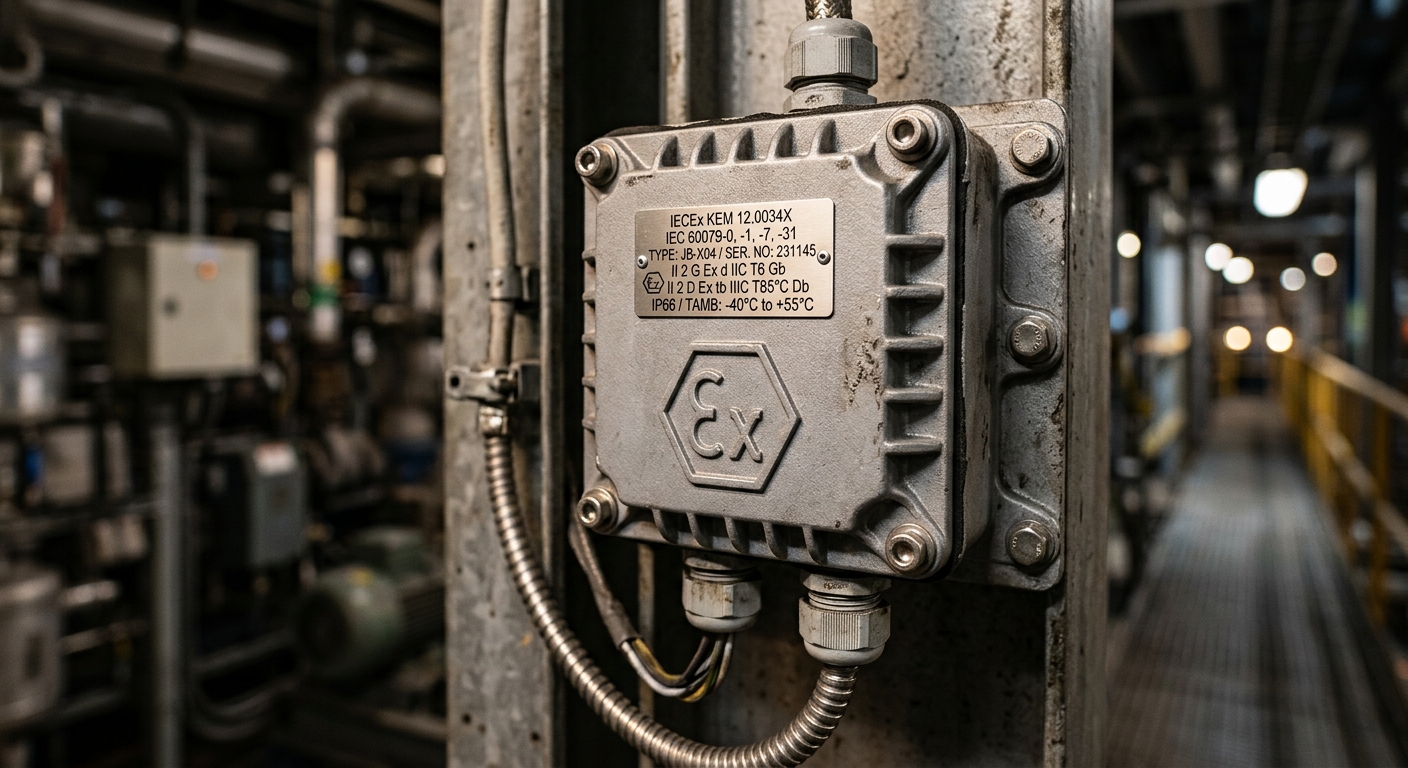
Keduanya mengacu pada seri IEC 60079 — rangkaian standar yang mencakup ketahanan api (Ex d), peningkatan keselamatan (Ex e), keamanan intrinsik (Ex i), tekanan udara (Ex p), dan perlindungan penyalaan debu (Ex t). Produk yang lulus IEC 60079-1 untuk penutup tahan api akan lulus pengujian yang sama, baik dokumennya akan berakhir sebagai Sertifikat Pemeriksaan Tipe UE ATEX atau Sertifikat Kesesuaian IECEx.
Itu sebabnya sertifikasi ganda sangat umum terjadi. Pengujian dilakukan satu kali; hanya dokumentasi sertifikasi yang berbeda. Saat Anda mengevaluasi sesuatu seperti perangkat ventilasi tanpa api atau sistem deteksi percikan api, tanyakan kedua sertifikat tersebut kepada produsen — ini adalah sinyal yang kuat mereka tahu apa yang mereka lakukan.
Zona, Kategori, dan EPL — Memahami Penandaannya
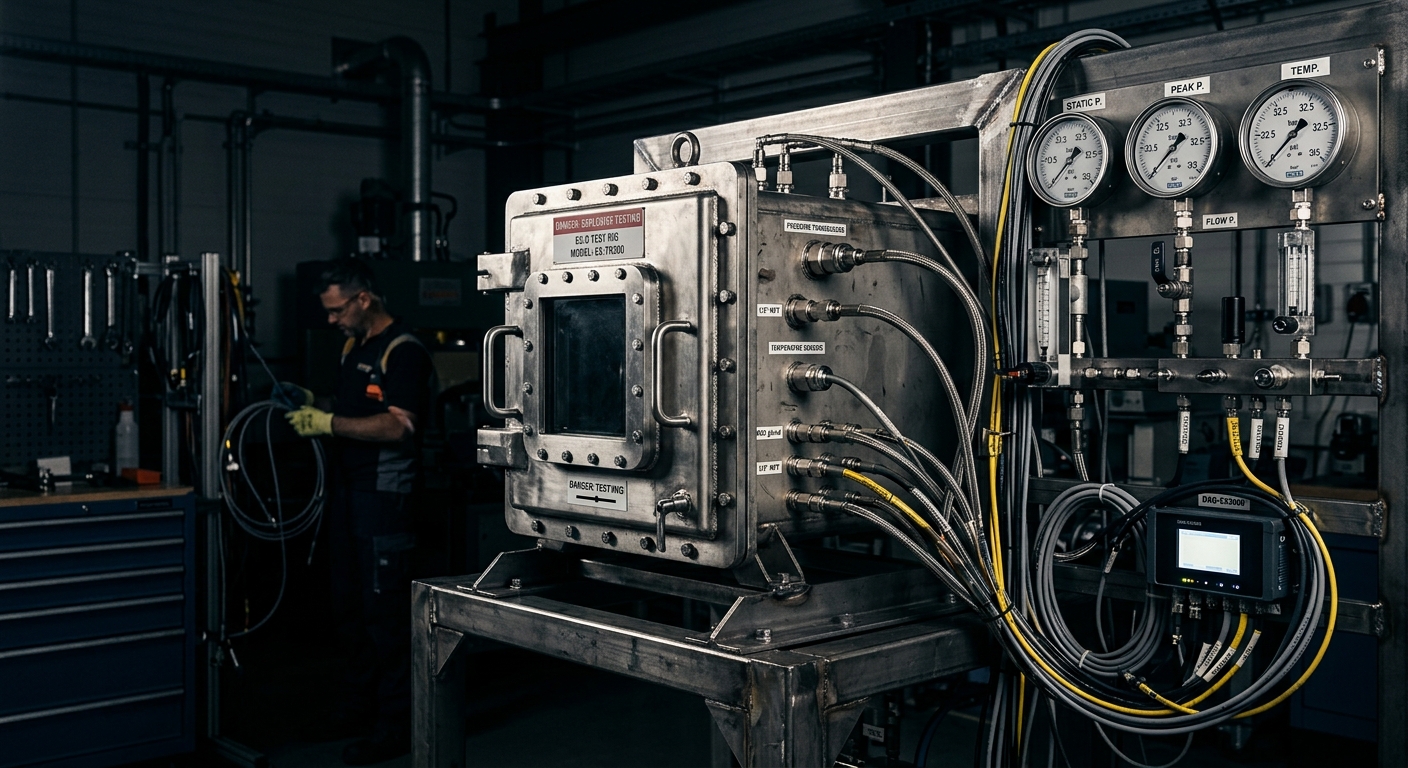
Tanda pada papan nama Ex terlihat seperti sup alfabet. Mari kita pecahkan kodenya.
Penandaan ATEX yang umum mungkin berbunyi: II 2D Ex tb IIIC T125°C Db
- II — Equipment group (II = non-mining surface industry)
- 2D — Category 2 for Dust (suitable for Zone 21)
- Mantan tb — Protection by enclosure, dust level b
- IIIC — Dust subgroup (conductive dusts)
- T125°C — Maximum surface temperature
- Db — Equipment Protection Level (dust, high)
Penandaan IECEx menghilangkan grup dan kategori angka Romawi, tetap menggunakan sebutan Ex dan EPL: Ex tb IIIC T125°C Db.
Tingkat Perlindungan Peralatan (EPL) — Ga/Gb/Gc untuk gas, Da/Db/Dc untuk debu — adalah cara modern dan berbasis risiko yang kedua skema tersebut menggambarkan seberapa besar perlindungan yang ditawarkan suatu perangkat. Ga/Da = proteksi sangat tinggi (Zona 0/20), Gc/Dc = proteksi normal (Zona 2/22). Cocokkan EPL dengan zona Anda dan Anda menentukannya dengan benar.
Skenario Dunia Nyata: Pengolah Makanan Memilih Di Antara Keduanya
Misalnya sebuah pabrik pengolahan gula skala menengah di Malaysia yang merencanakan jalur pengumpulan debu terpusat yang baru. Manajer pabrik mempunyai tiga pilihan realistis:
- Peralatan khusus ATEX — cheaper on paper, but Malaysian DOSH inspectors don't recognize ATEX directly. You'd need additional local approvals.
- Peralatan khusus IECEx — accepted under Malaysia's adoption of IEC standards, shorter regulatory path, but harder to source spares from European OEMs who default to ATEX documentation.
- ATEX + IECEx ganda — 10–15% cost premium, but both regulators are happy, and the parent company's European engineers recognize the paperwork.
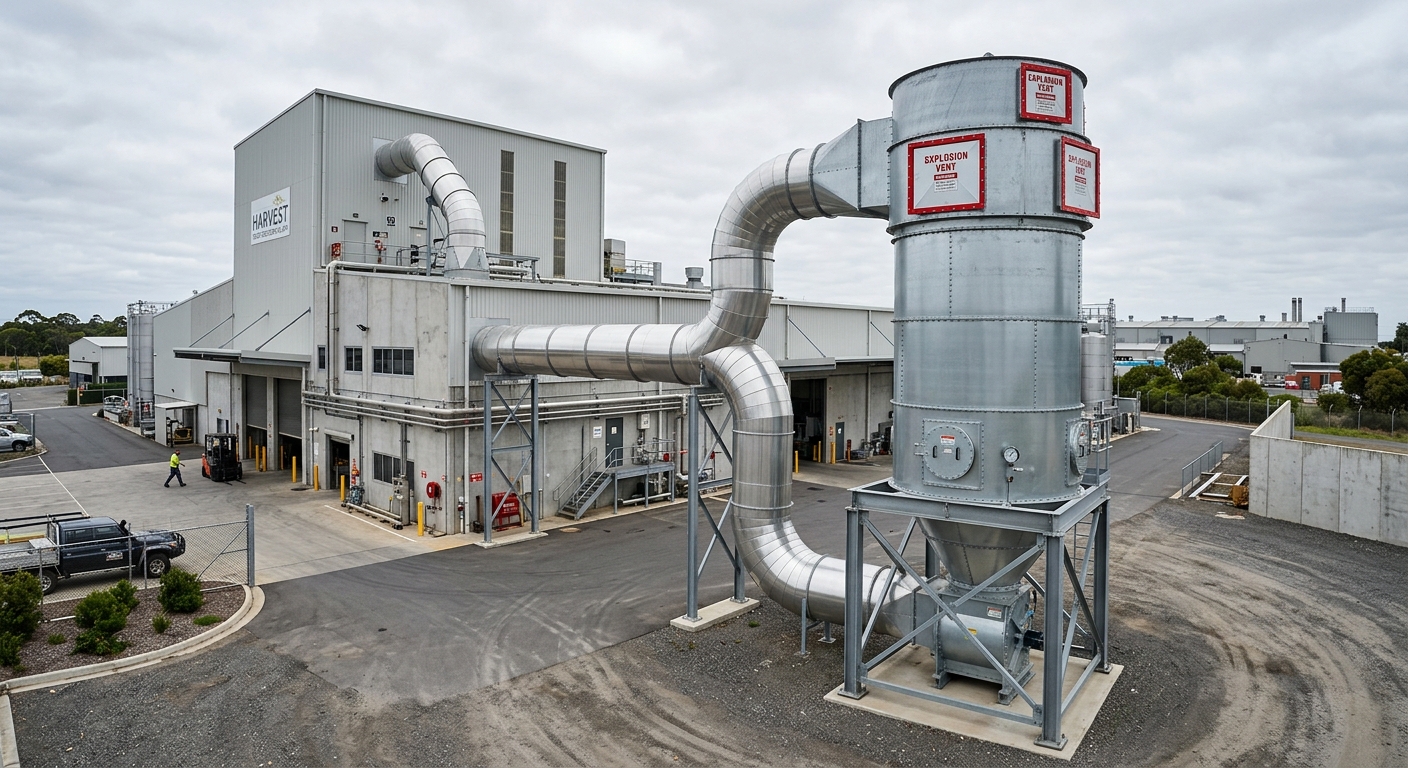
Sebagian besar pabrik skala menengah dalam situasi ini memilih opsi 3. Preminya relatif kecil dibandingkan total biaya proyek, dan menghilangkan mimpi buruk dalam menemukan kartrid filter pengganti yang kompatibel atau panel ventilasi ledakan lima tahun ke depan. Untuk gambaran desain selengkapnya, panduan sistem pusat pengumpulan debu dan perlindungan ledakan menjelaskan bagaimana lapisan pelindung menumpuk.
Biaya, Lead Time, dan Faktor Tersembunyi pada tahun 2026
Harga sertifikasi telah berubah secara nyata selama dua tahun terakhir. Harapkan secara kasar:
- Sertifikasi khusus ATEX: €8,000–€25,000 per product family, 8–16 weeks
- Sertifikasi khusus IECEx: US$12,000–US$30,000, 10–20 weeks
- Sertifikasi ganda: typically 110–120% of the single-scheme cost when done simultaneously at the same Ex Testing Laboratory
Faktor-faktor tersembunyi lebih penting daripada harga utama:
- Audit QAR/QAN — both schemes require annual manufacturing facility audits. Budget €3,000–€6,000 per year.
- Perubahan desain — any modification to a certified product requires an amendment certificate. Factor this into your product roadmap.
- Divergensi UKCA — post-Brexit, the UK has its own UKEX scheme that largely mirrors ATEX but requires separate UK Approved Body sign-off. If you sell into both the EU and UK, that's now three certificates.
Cara Memutuskan: Daftar Periksa Spesifikasi Praktis
Jalankan proyek Anda melalui lima pertanyaan berikut dan jawabannya biasanya menjadi jelas:
- Di mana peralatan tersebut akan beroperasi secara fisik? EU = ATEX mandatory. Outside EU = check local adoption of IECEx.
- Apakah Anda akan memindahkan atau mengekspor aset tersebut? Yes = prioritize IECEx or dual.
- Siapa perusahaan asuransi Anda? Some underwriters in North America and Asia now require IECEx documentation for hazardous-area coverage.
- Apa strategi suku cadang Anda? If corporate standardizes on one OEM globally, match their certification scheme.
- Apakah Anda memerlukan sertifikasi personel? Only IECEx offers the CoPC scheme for technicians — relevant if you run your own maintenance crews.
Satu hal lagi yang perlu disampaikan dengan jelas: jangan biarkan perwakilan penjualan memberi tahu Anda bahwa ATEX dan IECEx “pada dasarnya adalah hal yang sama.” Secara teknis keduanya serupa tetapi secara hukum sangat berbeda. Dapatkan sertifikat dan periksa berdasarkan klasifikasi zona Anda sebelum pesanan pembelian dikeluarkan. Untuk konteks strategi perlindungan yang lebih luas, panduan isolasi ledakan vs. ventilasi cocok dengan keputusan ini.
Menyatukan Semuanya
ATEX adalah persyaratan hukum untuk apa pun yang melintasi layanan area berbahaya UE – tidak ada solusi lain. IECEx menjadi paspor bagi negara lain, dan semakin menjadi standar bagi operator multinasional yang tidak ingin melakukan sertifikasi ulang di setiap yurisdiksi. Pada tahun 2026, sertifikasi ganda telah menjadi jalan tengah pragmatis bagi pembeli peralatan yang serius karena delta biayanya kecil dan fleksibilitas operasionalnya sangat besar.
Kesalahan terbesar yang kita lihat? Fasilitas yang membeli peralatan bersertifikat tetapi mengabaikan dokumentasi tempat kerja, klasifikasi zona, dan penilaian sumber pengapian yang sebenarnya diwajibkan oleh ATEX Directive 1999/92/EC. Perangkat keras bersertifikat diperlukan tetapi tidak cukup.
Jika Anda merencanakan jalur pengumpulan debu baru, mengevaluasi desain lubang ledakan, atau melakukan retrofit terhadap kepatuhan sistem yang ada, tim villotech dapat membantu Anda menentukan peralatan dengan sertifikasi yang tepat untuk wilayah Anda dan mempelajari paket dokumentasi yang Anda perlukan untuk audit berikutnya. Hubungi kami dan kami akan mencocokkan strategi perlindungan dengan risiko Anda yang sebenarnya — tidak hanya mencentang kotak di lembar data.