1. Introduction
Dust is an unavoidable by-product of many industrial manufacturing processes. From metal processing and lithium battery production to additive manufacturing, chemical processing, food manufacturing, and semiconductor industries, fine particles and powder materials are often generated during production, handling, and transportation.
While industrial dust is commonly considered a routine production issue, certain types of dust may present potential fire and explosion hazards under specific conditions. When combustible dust particles become suspended in the air and encounter an ignition source, a rapid combustion reaction may occur, potentially leading to a dust explosion.
However, not all dust has the same level of risk. The explosion characteristics of dust can vary significantly depending on factors such as material composition, particle size, moisture content, and other physical properties. Therefore, relying only on visual inspection or previous experience is often insufficient to determine whether a specific dust presents an explosion hazard.
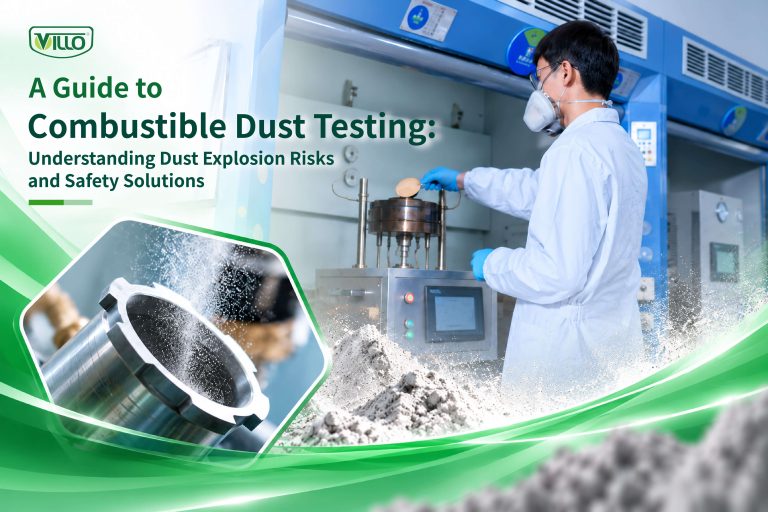
This is why combustible dust testing plays an important role in industrial safety management. Through laboratory analysis, companies can better understand the combustion and explosion characteristics of their dust, evaluate potential risks, and develop appropriate explosion protection measures.
With professional testing capabilities and experience in industrial explosion protection, Villo provides combustible dust testing and risk assessment services to help companies gain a clearer understanding of dust-related hazards and support safer process and equipment design.
This post introduces the fundamentals of combustible dust testing, including why dust testing is needed, what parameters are commonly evaluated, and how testing results can support explosion protection strategies.
2. What Is Combustible Dust and Why Does It Create Explosion Risks?
Combustible dust refers to fine particles that can ignite, burn, or contribute to an explosion when suspended in the air under certain conditions. These particles can be generated from a wide range of industrial activities, including machining, grinding, cutting, material handling, mixing, and processing of powder-based materials.
Many industrial materials that appear harmless in their solid form may become potentially hazardous when converted into fine particles. For example, metal powders, carbon-based materials, chemical powders, and organic materials such as flour or starch can exhibit combustible characteristics depending on their properties and processing conditions.
The risk of combustible dust is closely related to particle size and dispersion. When materials are reduced into smaller particles, their total surface area increases significantly. Once these particles become suspended in the air, they can react with oxygen more quickly, creating conditions where combustion may spread rapidly if an ignition source is present.
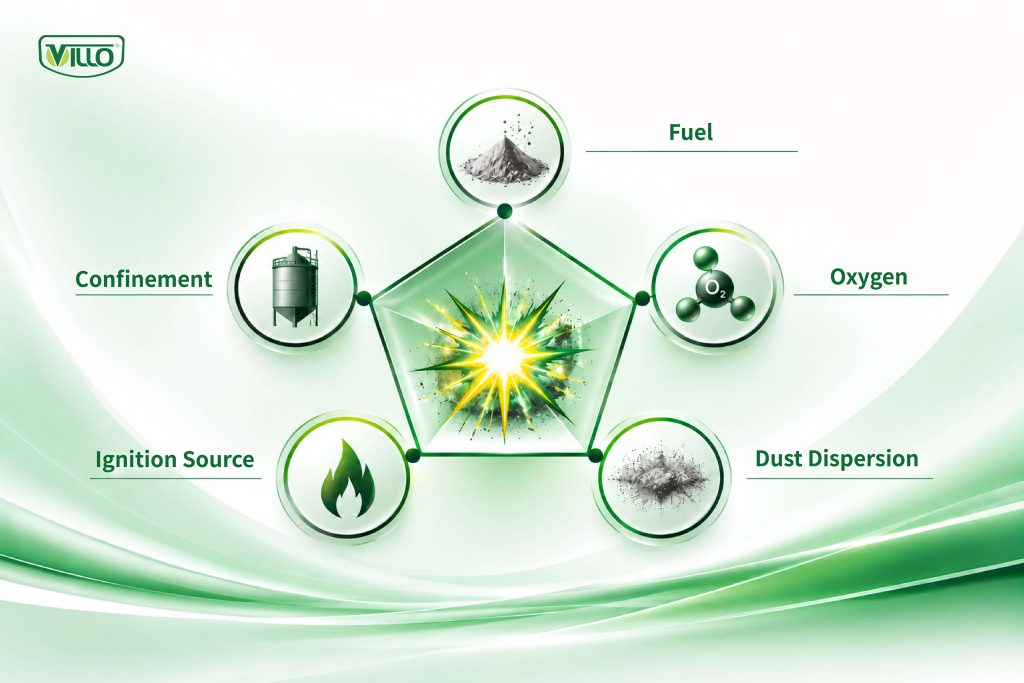
How Does a Dust Explosion Occur?
A dust explosion does not happen because of dust alone. It requires a combination of several factors occurring at the same time. These factors are commonly represented by the dust explosion pentagon, which includes:
Combustible Dust: The dust material must have the ability to burn. Different materials have different combustion characteristics, which means their explosion risks can vary significantly.
Oxygen: Like other combustion processes, a dust explosion requires oxygen, which is usually available in the surrounding air.
Ignition Source: An ignition source provides the energy needed to start combustion. Common sources include sparks, static electricity, hot surfaces, mechanical friction, or overheating equipment.
Ignition Source: An ignition source provides the energy needed to start combustion. Common sources include sparks, static electricity, hot surfaces, mechanical friction, or overheating equipment.
Dust Dispersion: Dust particles must be dispersed in the air to form a combustible dust cloud. Dust that remains settled on a surface may not create the same immediate risk as airborne dust.
Confinement: A confined environment allows pressure to build during combustion. Examples include dust collectors, pipelines, production equipment, and enclosed processing systems.
When these five elements exist together, a dust explosion may occur. Therefore, effective dust safety management focuses on understanding dust characteristics, controlling ignition sources, and applying suitable protection measures.
As production scales increase, manufacturers are also moving toward automated powder handling processes that connect loading, recovery, sieving, cleaning, and storage operations into a more coordinated workflow.
3. Why Is Combustible Dust Testing Important?
One of the challenges in managing combustible dust hazards is that dust characteristics are not always obvious. Two materials that look similar may have completely different explosion behaviors due to differences in composition, particle size, moisture content, and other physical properties.
For this reason, companies cannot determine dust explosion risks through appearance or experience alone. Professional analysis and testing are needed to understand the actual characteristics of specific dust samples and provide reliable data for safety evaluation.
Through laboratory testing, companies can better understand important characteristics of their dust, including:
- Whether the dust has combustible properties;
- How easily the dust can be ignited;
- The potential pressure generated during an explosion;
- How rapidly an explosion may develop;
- Other physical and thermal characteristics related to dust safety.
These results provide valuable information for engineers and safety professionals when evaluating potential hazards and selecting appropriate protection measures.
Dust testing is not only about identifying whether a material is hazardous. More importantly, it helps companies make informed decisions about their production processes and safety systems.
Test results can support:
- Dust explosion risk evaluation;
- Selection of suitable explosion protection measures;
- Design considerations for dust collection systems;
- Improvement of industrial safety management practices.
By understanding the actual characteristics of dust materials, companies can move from reactive safety measures to a more proactive approach based on scientific data.
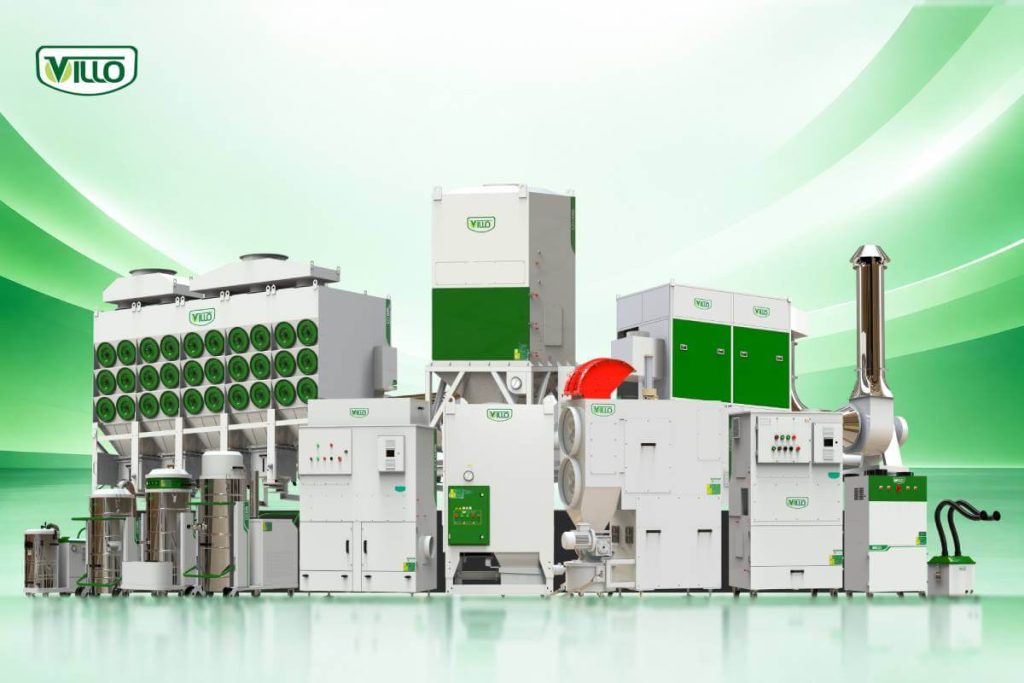
Villo provides combustible dust testing services through its qualified laboratory, helping customers analyze the explosion characteristics of dust samples and better understand potential safety risks.
The laboratory can perform dust explosion-related testing, including analysis of combustion characteristics, explosion behavior, ignition sensitivity, and other physical properties. The obtained test data can support further risk evaluation and the development of appropriate explosion protection strategies.
4. Key Parameters in Combustible Dust Testing: Understanding Kst, Pmax, MIE, MIT, and MEC
The purpose of combustible dust testing is to understand how a specific dust material behaves under controlled test conditions. Laboratory testing can generate a range of parameters that describe the combustion, ignition, and explosion characteristics of the dust. Together, these results provide important technical information for evaluating potential dust explosion hazards and supporting the selection of appropriate protection measures.
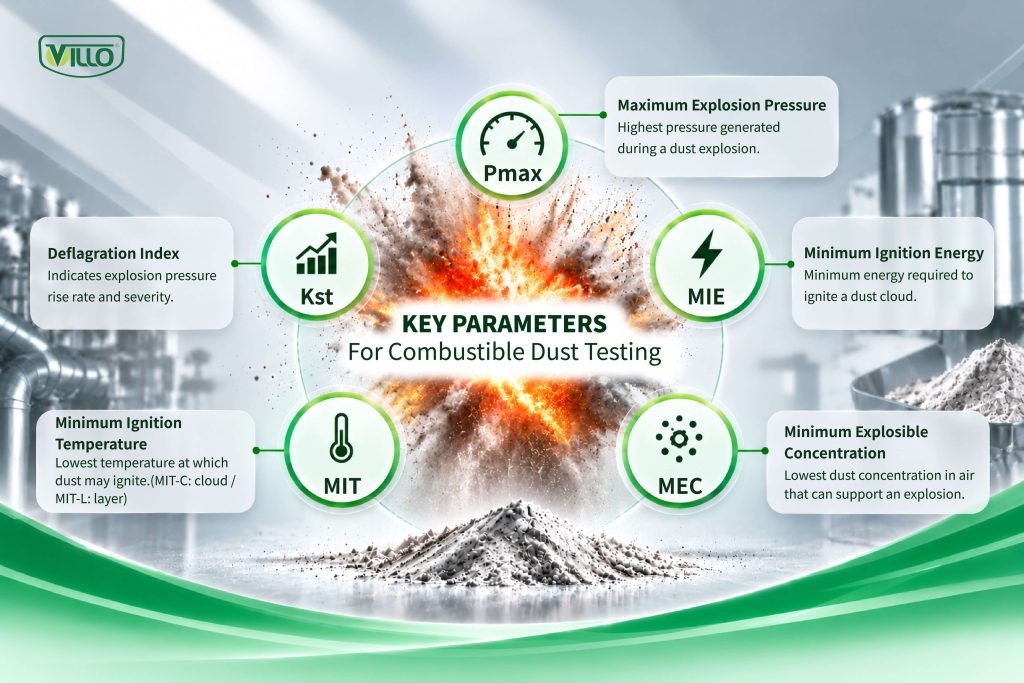
Among the commonly evaluated parameters are Pmax, Kst, MIE, MIT, and MEC. Each parameter describes a different aspect of dust behavior, so they should be considered together rather than as isolated values.
Pmax (Maximum Explosion Pressure) represents the highest pressure generated by a dust explosion under specified test conditions. In simple terms, Pmax helps answer the question: How much pressure could be generated if an explosion occurs?
Different dust materials can produce different levels of explosion pressure. Understanding Pmax is therefore important when evaluating the potential impact of an explosion on enclosed equipment, such as dust collectors, processing equipment, and pipelines. The value can also provide useful technical information when considering equipment design and explosion protection measures.
Kst is a key parameter used to characterize the severity of a dust explosion. It is derived from the maximum rate of pressure rise during the explosion test and indicates how rapidly the explosion pressure can develop.
In simple terms, Pmax describes how much pressure an explosion can generate, while Kst describes how quickly the pressure can rise. A higher Kst value generally indicates more severe explosion behavior and may require greater consideration when designing explosion protection measures.
Because Kst is related to the rate of pressure development, it is commonly used by engineers when evaluating dust explosion hazards and determining appropriate protection strategies.
MIE (Minimum Ignition Energy) indicates the minimum energy required to ignite a dust cloud under specified test conditions. It helps provide an understanding of how sensitive a particular dust may be to ignition.
For example, dust with a relatively low MIE may require greater attention to potential ignition sources such as static electricity, electrical sparks, mechanical sparks, or hot surfaces. Understanding MIE can therefore support the identification and control of potential ignition sources within an industrial process.
MIT (Minimum Ignition Temperature) describes the lowest temperature at which dust may ignite under specified test conditions. Because dust can exist either as a suspended cloud or as a deposited layer, testing may distinguish between two conditions: MIT-C, which evaluates the ignition temperature of a dust cloud, and MIT-L, which evaluates the ignition temperature of a dust layer.
These values provide information about the potential for thermal ignition and can be relevant when evaluating hot surfaces, equipment temperatures, and accumulated dust in industrial environments.
MEC (Minimum Explosible Concentration) refers to the lowest concentration of a combustible dust dispersed in air that can support an explosion under specified test conditions.
In practical terms, MEC helps illustrate the relationship between dust concentration and explosion potential. This information can support the evaluation of dust dispersion and accumulation conditions and contribute to decisions related to dust control and process safety.
Explosion-related parameters are only part of a comprehensive combustible dust analysis. Depending on the material and the purpose of the evaluation, testing may also examine characteristics such as particle size distribution, electrical resistivity, moisture content, and thermal behavior.
These properties can influence how a dust behaves during processing and under ignition conditions. Considering them alongside explosion test results can provide a more complete understanding of the material and support a more informed evaluation of potential dust-related hazards.
Overall, combustible dust testing is not about relying on a single number to determine whether a material is “safe” or “dangerous.” Instead, different test parameters provide different pieces of information about the dust's behavior. When interpreted together and considered alongside actual process conditions, these results can provide a technical basis for further dust explosion risk assessment and protection planning.
5. Explosion Protection Solutions Based on Dust Risk Assessment
Combustible dust testing and risk assessment provide important information about potential hazards. However, identifying risks is only the first step. Based on the characteristics of the dust and the conditions of the production process, appropriate explosion protection measures should be considered to reduce the possibility and impact of dust explosions.
The selection of protection solutions depends on various factors, including dust properties, equipment design, process conditions, and potential ignition sources.
Explosion-Proof Dust Collection Systems
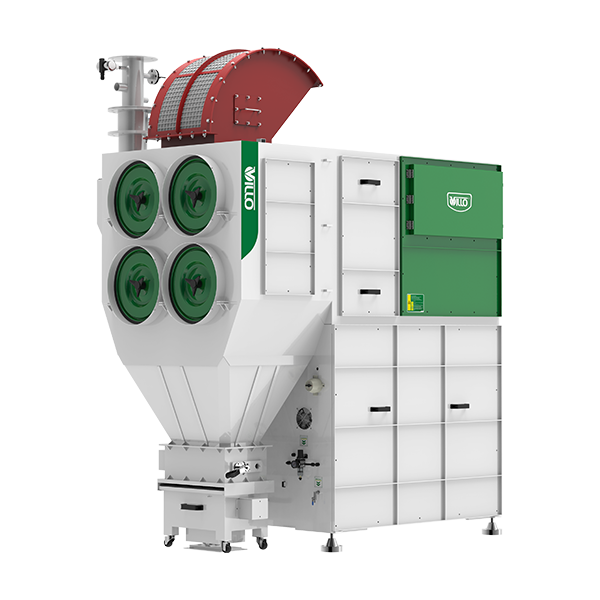
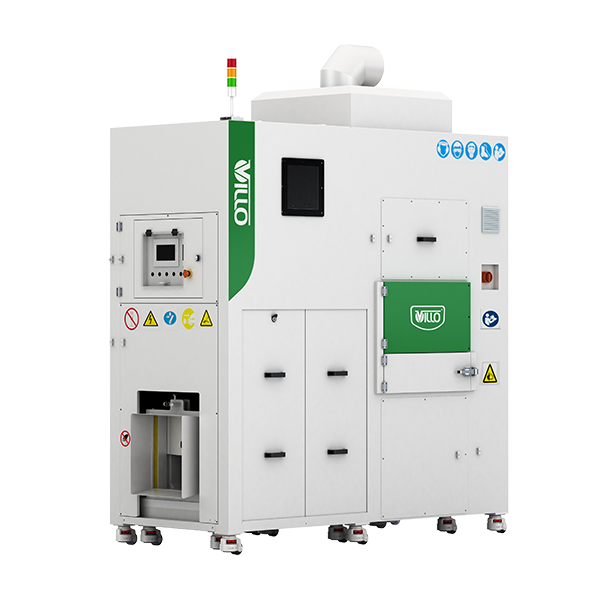
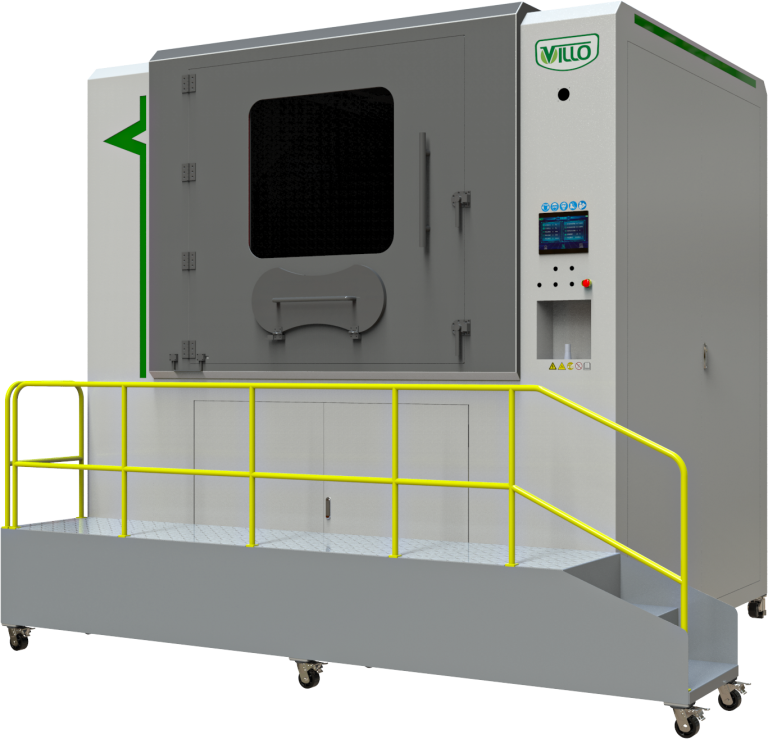
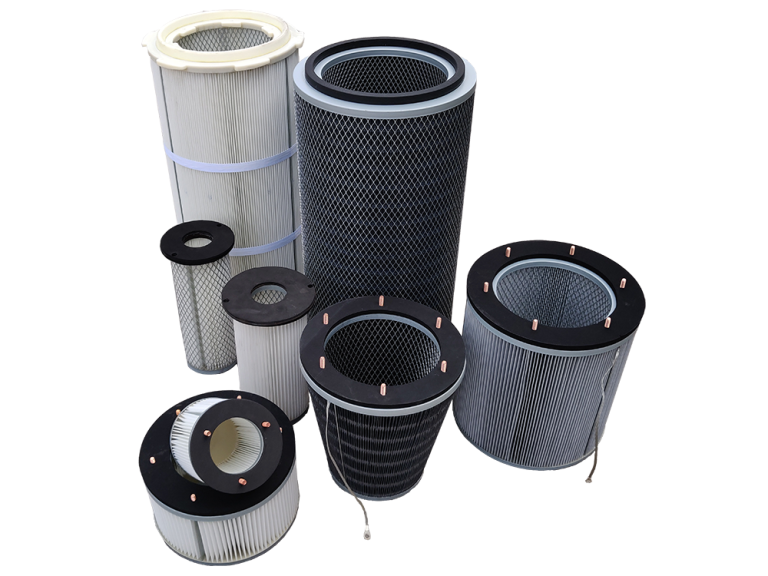
Based on dust testing results and risk evaluation, suitable dust collection solutions may include: explosion-resistant dust collectors, appropriate filtration systems and protection measures designed for combustible dust applications.
A properly designed dust collection system helps control dust accumulation while supporting safer industrial production environments.
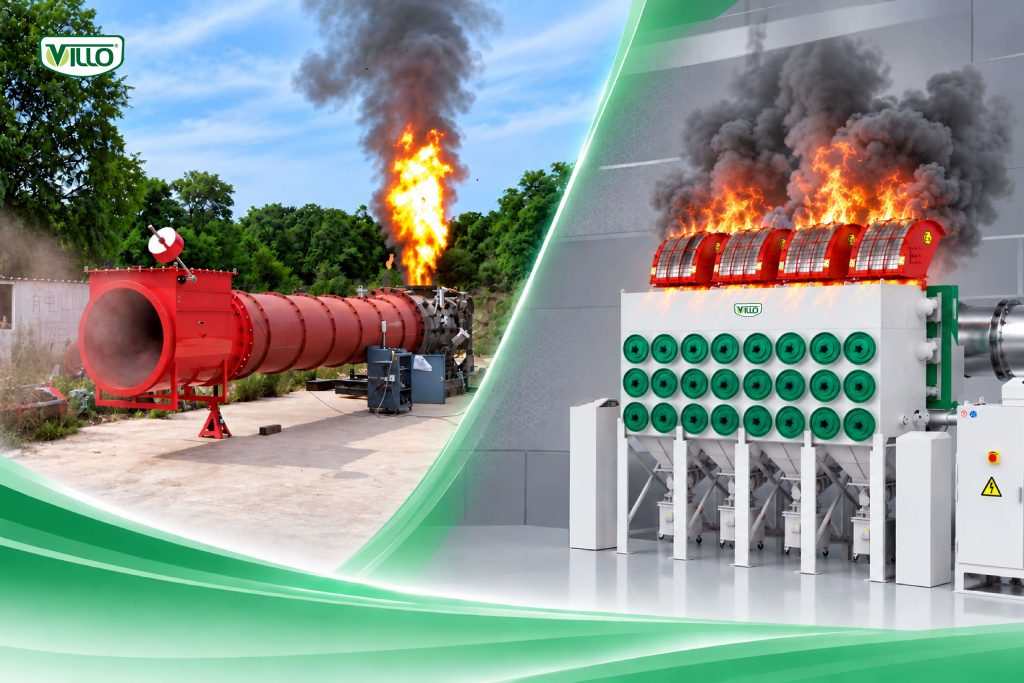
Explosion Venting and Flameless Explosion Protection
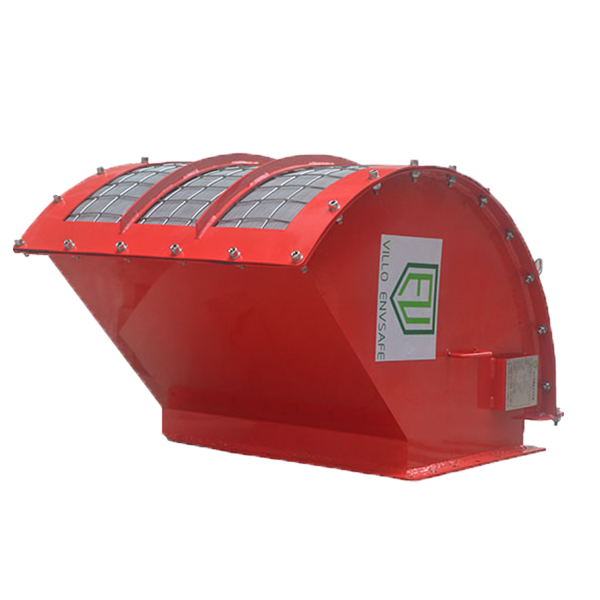
When a dust explosion occurs inside enclosed equipment, pressure can rise rapidly. Explosion venting systems are designed to release explosion pressure in a controlled direction to reduce damage to equipment.
For applications where direct venting to a safe outdoor area is not possible, flameless explosion protection devices can provide an alternative by reducing the release of flame and pressure effects.
Explosion Isolation Systems
Dust explosions may propagate through connected equipment or pipelines if appropriate isolation measures are not implemented.
Explosion isolation systems are designed to help prevent the transmission of flames and pressure effects between different sections of a production system.
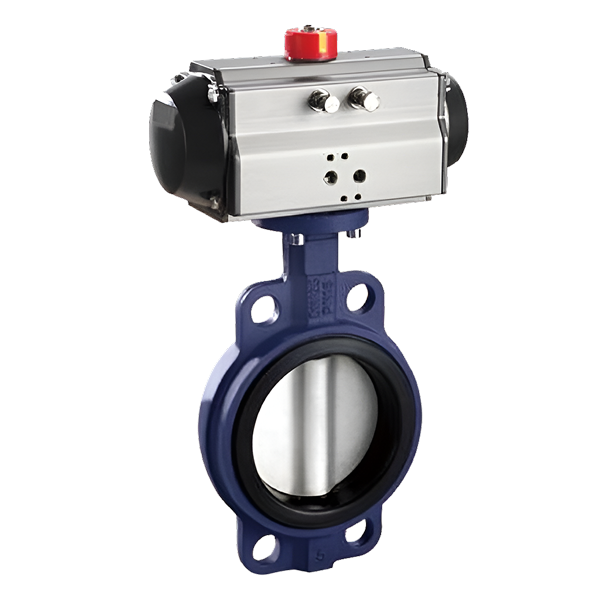
Examples include: Explosion isolation valves and Isolation devices installed on connecting pipelines.
The selection of isolation measures depends on the specific process layout and risk evaluation results.
Spark Detection and Extinguishing Systems
Ignition sources are one of the key factors involved in dust explosion events. In processes where sparks or hot particles may occur, early detection and suppression can help reduce ignition risks.
Spark detection and extinguishing systems can be used to:
- Detect sparks or hot particles in pipelines;
- Activate suppression measures before ignition reaches sensitive equipment;
- Improve process safety.
These systems are often applied in industries where mechanical processing, grinding, or material transportation may generate ignition sources.
6. Conclusion
Combustible dust can present different levels of fire and explosion hazards depending on its material properties, particle characteristics, and the conditions in which it is processed and handled. Because these risks are not always apparent from the appearance of a powder, understanding the actual characteristics of the dust is an important part of industrial safety.
Combustible dust testing provides objective data that can help companies understand how their dust behaves under specific test conditions. Parameters such as Pmax, Kst, MIE, MIT, and MEC provide different insights into explosion severity, ignition sensitivity, and other characteristics of the material. When these results are considered together with the actual production process, they can support a more informed dust explosion risk assessment.
Testing itself, however, is not the final step. The value of laboratory analysis lies in how the results are applied to real-world safety decisions.

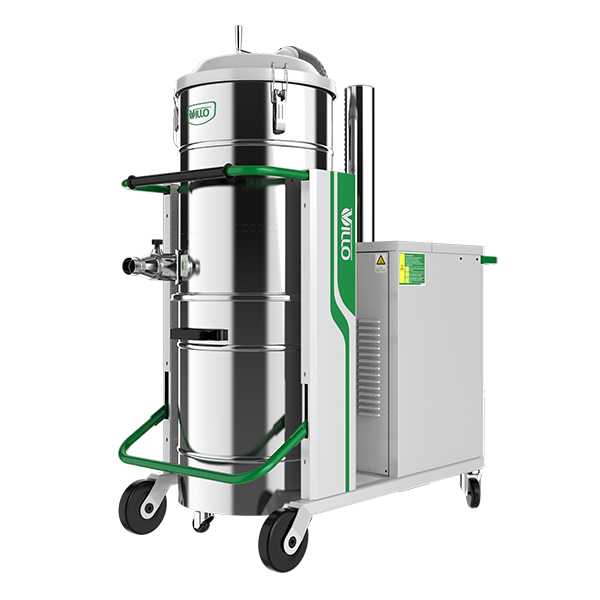
Villo's capabilities extend beyond laboratory testing to industrial dust collection systems and explosion protection solutions. Based on the characteristics of the dust and the requirements of the application, Villo provides industrial dust collectors and dust collection systems for a wide range of manufacturing processes.
For applications involving combustible dust, these systems can be configured with appropriate explosion protection measures where required. Depending on the specific process and risk conditions, protection measures may include explosion venting, flameless explosion protection, explosion isolation, and spark detection and extinguishing systems.
Thank you for reading! We hope this article has helped you better understand combustible dust testing and dust explosion risks. If you have a related project or need professional testing or dust protection solutions, feel free to contact us.
FAQs
Q1. What is combustible dust?
Combustible dust is fine particulate material that can ignite or contribute to an explosion when suspended in air under suitable conditions. It can be generated during processes such as grinding, cutting, mixing, conveying, and powder handling.
The combustible characteristics of dust depend on factors such as material composition, particle size, and other physical properties.
Q2. Can all types of dust cause an explosion?
No. Not all dust is combustible or presents the same level of explosion hazard. Different materials can have significantly different combustion and explosion characteristics.
Laboratory testing can help determine whether a specific dust sample has combustible or explosive properties under specified test conditions.
Q3. Can a dust collector be used for combustible dust applications?
Yes. Dust collectors can be used in processes where combustible dust is generated, but the system should be selected and configured according to the characteristics of the dust and the specific process conditions.
For applications with combustible dust hazards, appropriate explosion protection measures may also need to be incorporated into the industrial dust collector or dust collection system.
Q4. What is an explosion-proof dust collector?
An explosion-proof dust collector is a dust collection system designed with additional measures to address potential fire and explosion hazards associated with combustible dust.
Depending on the application, these measures may involve the dust collector itself as well as associated explosion protection components. The appropriate configuration should be determined based on the characteristics of the dust, the process, and the potential explosion risks.
Q5. What is an explosion vent valve and how does it help protect equipment?
Explosion venting devices, including explosion vent valves and related explosion venting systems, are designed to help manage pressure generated by an explosion within protected equipment. By providing a controlled pressure-relief path, they can help reduce the potential impact of an explosion on the equipment and surrounding area.
The specific type and configuration of an explosion venting device should be selected according to the equipment, dust characteristics, and applicable protection requirements.
Q6. What is flameless explosion venting?
Flameless explosion venting is a form of explosion protection designed for applications where conventional explosion venting cannot safely discharge flames and pressure directly into the surrounding area.
A flameless explosion protection device can help reduce the effects of flame and pressure released during an explosion, making it suitable for certain indoor or space-limited applications. Its suitability depends on the protected equipment, dust characteristics, and installation conditions.
Q7. What role does spark detection play in dust explosion prevention?
Sparks and hot particles can act as potential ignition sources in processes such as grinding, conveying, and mechanical processing. Spark detection and extinguishing systems are designed to detect sparks or hot particles and activate a suppression response before they reach downstream equipment.
Such systems can be considered as part of an overall ignition prevention strategy, particularly where spark generation is possible during the production process.
Q8. Does Villo provide combustible dust testing and dust protection solutions?
Yes. Villo provides combustible dust testing, dust explosion risk assessment, and industrial dust collection and explosion protection solutions.
Based on the characteristics of the dust and the application requirements, Villo can provide industrial dust collectors and dust collection systems, with appropriate explosion protection measures where required.
Villo Official